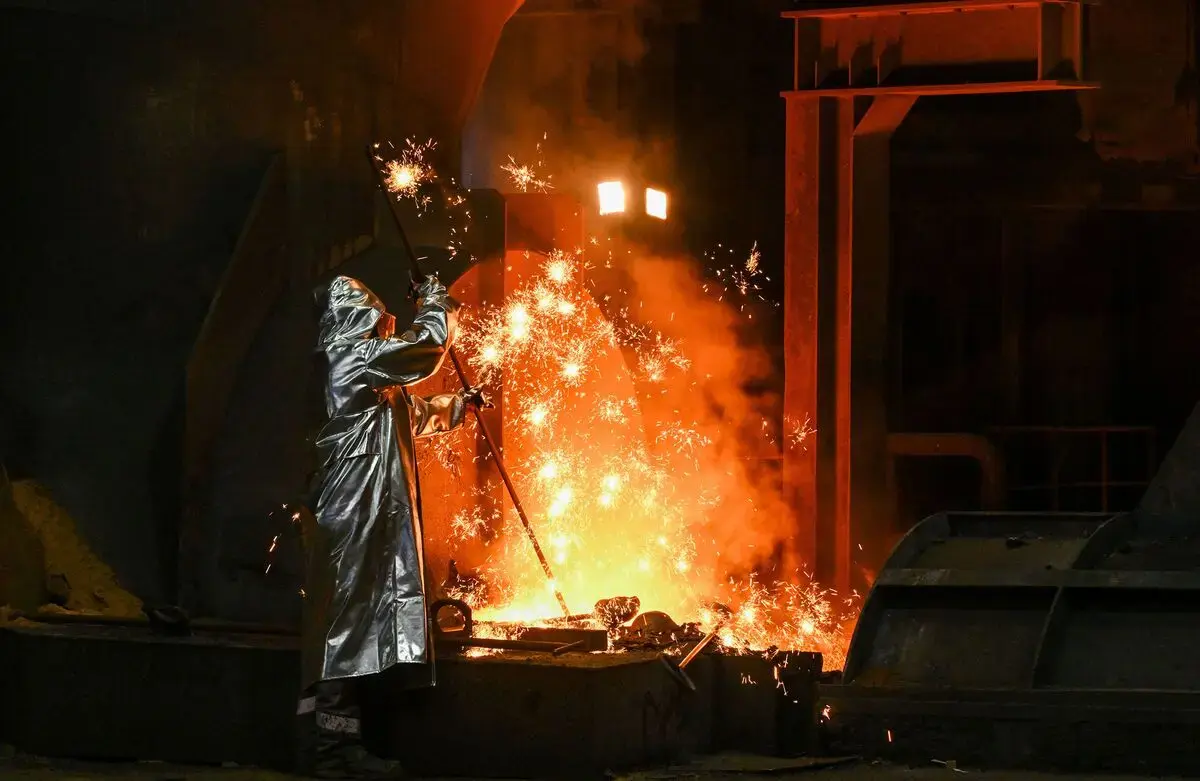
Construction Leads the Economic Recovery
Germany’s industrial sector recorded its first monthly expansion since the onset of the conflict in Ukraine, according to official data released this week. The Federal Statistical Office reported a modest but significant uptick in production, signaling a potential turning point for Europe’s largest economy following a period of persistent stagnation and geopolitical instability.
Breaking news
 Deadly Glacier and Rock Collapse in Nepal Linked to Climate Warming
 US Congress Passes Sweeping Sanctions Against Russia
 Speaker Johnson Ends House Session Early to Halt Impeachment Effort
 The High-Stakes Fight for Senate Majority Control
The recent growth was largely propelled by a surge in the construction industry. This sector, which has struggled under the weight of high interest rates and rising material costs, provided the necessary momentum to pull overall industrial output into positive territory. Analysts noted that while the recovery remains fragile, the data offers a rare glimmer of optimism for a manufacturing base that has faced severe energy price shocks over the past two years.
The construction boom served as the primary engine for this month's industrial gains. Increased activity in building projects helped offset continued weakness in the automotive and chemical sectors, which remain sensitive to global trade fluctuations. While factory output in other areas showed signs of lingering hesitation, the rebound in building activity suggests that domestic demand is beginning to stabilize.
Will This Growth Trend Prove Sustainable?
Government officials and economists have been closely monitoring these figures for signs of a broader industrial turnaround. Recent months had been characterized by a steady decline in output, raising fears of a deep, structural recession within the German heartland. This latest report provides the first concrete evidence that the downward trend may finally be hitting a floor.
Despite the positive figures, experts caution that the road to full recovery remains steep. Germany continues to grapple with high energy costs and a cooling global market for its high-end manufactured goods. Sustaining this momentum will require further stabilization in energy prices and a more predictable environment for long-term industrial investment.
Frequently Asked Questions
If this growth pattern continues into the next quarter, it could significantly boost national economic forecasts. However, policymakers remain wary of external pressures that could easily derail the current progress. The focus now shifts to whether the manufacturing sector can match the construction industry's performance in the coming months.
What primarily drove the rise in German industrial output? The growth was driven mainly by a significant increase in construction activity, which helped offset weaker performance in other manufacturing sectors.
Does this report signal the end of Germany's economic difficulties? While the data is a positive sign, experts warn that the recovery remains fragile. Sustained growth depends on stabilizing energy costs and global trade conditions.