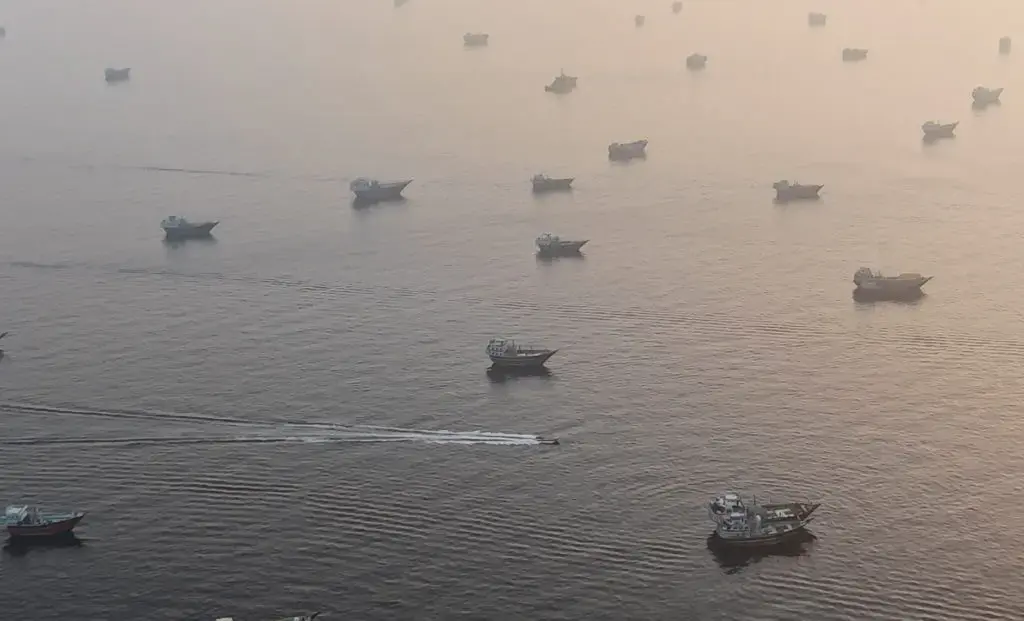
Restoring Oil Flow: A Complex Task
A tentative agreement to end the conflict between Iran and other nations and reopen the Strait of Hormuz is being explored. The Strait is a vital waterway for global oil exports. Iran has been involved in a conflict that has led to the disruption of oil supplies. The situation has been tense.
Breaking news
 Greenpeace Investigates Zaporizhzhia Nuclear Plant Power Lines
 Researcher warns strict age limits needed for children on social media
 Hezbollah defends its arsenal amid Lebanese political deadlock
 Can an AI Chatbot Reduce Maternal Deaths in Kenya?
The Strait of Hormuz is a narrow passage that connects the Persian Gulf to the Gulf of Oman, allowing oil tankers to transport crude oil from the region to global markets. Any disruption to this waterway has significant implications for the global economy. The recent tensions have led to a surge in oil prices.
Can the Global Economy Afford a Delay?
Restoring the flow of oil through the Strait will not be straightforward. Even if an agreement is reached, it will take time to clear mines and inspect ships. The waterway has been subject to attacks and seizures, which will need to be addressed before normal operations can resume.
Experts warn that it could take weeks or even months for oil to flow freely again. The process will involve clearing the waterway, inspecting and repairing damaged ships, and rebuilding confidence among shipping companies.
Frequently Asked Questions
The delay in restoring oil flow through the Strait of Hormuz will have significant consequences for the global economy. Oil prices are likely to remain volatile, and the impact will be felt across various industries. The global economy is still recovering from the effects of the pandemic, and any further disruption will be unwelcome.
The consequences of a prolonged delay will be far-reaching, with potential shortages and price increases affecting consumers worldwide. The outlook remains uncertain, and the situation will continue to be closely monitored.