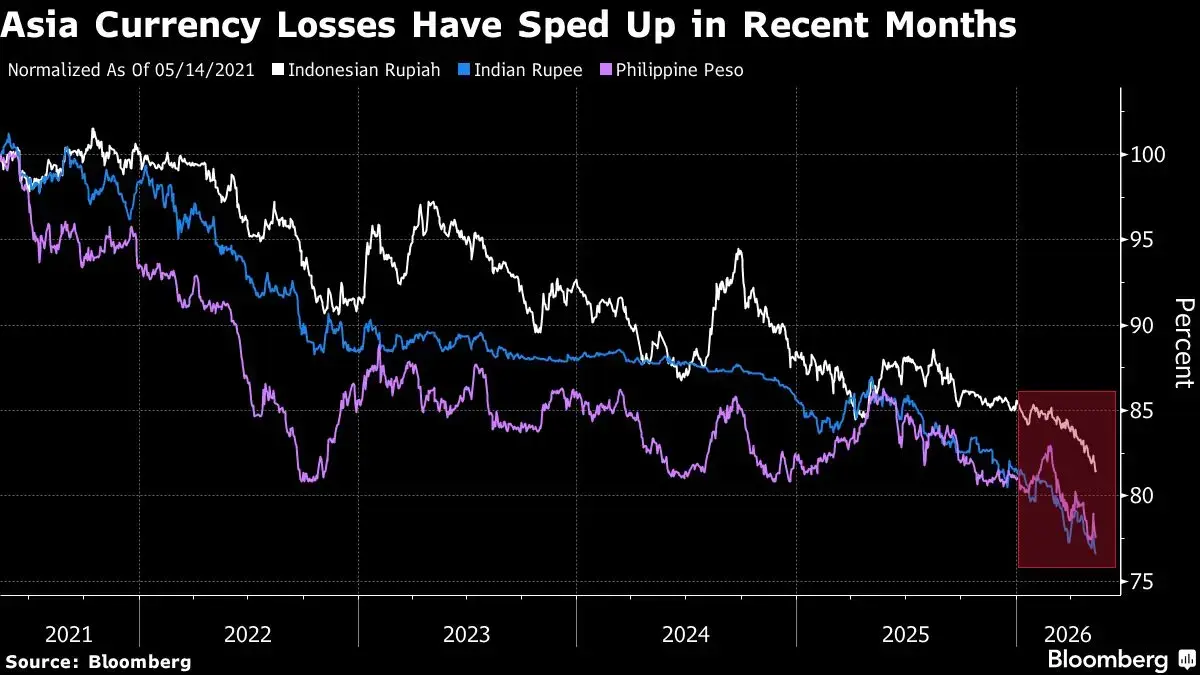
Currency Reserves Under Pressure: The Philippine and Indian Experience
Asian countries are witnessing a significant decline in their foreign currency reserves, primarily due to the financial strains caused by ongoing wars. The Philippines and India are experiencing the most severe impacts. Political leaders are redirecting funds to address urgent needs arising from conflict situations. This shift in financial priorities is leading to a depletion of reserves that are crucial for economic stability.
Breaking news
 Deadly Glacier and Rock Collapse in Nepal Linked to Climate Warming
 US Congress Passes Sweeping Sanctions Against Russia
 Speaker Johnson Ends House Session Early to Halt Impeachment Effort
 The High-Stakes Fight for Senate Majority Control
Recent reports indicate that the Philippines and India have faced the sharpest declines in their foreign exchange reserves. As these nations grapple with both external and internal pressures, their ability to maintain stable reserves is becoming increasingly challenging. The situation is exacerbated by rising inflation and the need for military spending, which diverts resources from economic development.
How Long Can This Trend Last? The Future of Asian Economies
In the Philippines, the central bank has noted a significant drop in reserves, prompting concerns about the country's financial health. Similarly, India is facing pressure as it strives to balance its defense needs with economic growth. Experts warn that continued depletion of reserves could lead to currency instability, affecting trade and investment.
As the situation unfolds, questions arise about the long-term implications for these economies. Can the Philippines and India recover their reserves? Or will the ongoing conflicts further strain their financial situations? Economists suggest that without a strategic approach to managing these challenges, both countries may face prolonged economic difficulties.
The outlook remains uncertain as geopolitical tensions continue to shape fiscal policies. If the trend persists, it could lead to a broader economic downturn across Asia, affecting not only the directly impacted nations but also their trading partners.
Frequently Asked Questions
Why are Asian reserves declining? Asian reserves are declining primarily due to the financial demands of ongoing conflicts, which lead governments to allocate funds away from reserve maintenance.
What are the potential consequences of dwindling reserves? Dwindling reserves can lead to currency instability, increased inflation, and challenges in international trade, ultimately affecting economic growth and stability in the affected countries.