How Will States Respond to the Rule’s Removal?
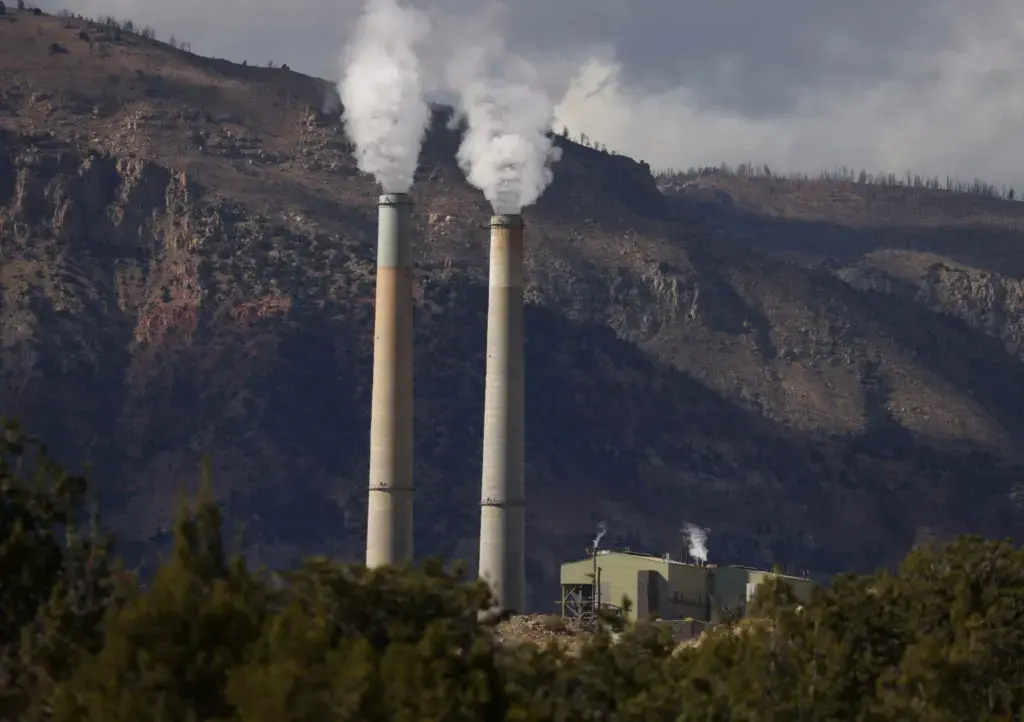
The Trump administration is preparing to eliminate a federal regulation that limits greenhouse gas emissions from coal and natural gas power plants, marking a significant reversal of climate policies advanced under Presidents Barack Obama and Joe Biden. The rule, known as the Clean Power Plan replacement, was designed to reduce carbon dioxide emissions by setting state-specific targets for the power sector. Its removal would allow utilities greater flexibility in choosing energy sources without federal emissions constraints.
Breaking news
 Deadly Glacier and Rock Collapse in Nepal Linked to Climate Warming
 US Congress Passes Sweeping Sanctions Against Russia
 Speaker Johnson Ends House Session Early to Halt Impeachment Effort
 The High-Stakes Fight for Senate Majority Control
The decision reflects the administration’s broader strategy to prioritize energy independence and reduce regulatory burdens on industry, arguing that previous rules overstepped federal authority and raised electricity costs. Environmental groups warn that rolling back the rule could undermine national efforts to meet international climate commitments and worsen air quality in communities near power plants. Supporters, including some utility companies and state officials, say the change allows for more practical, locally tailored energy solutions.
What Are the Long-Term Implications for Climate Goals?
States with strong renewable energy goals, such as California and New York, are expected to maintain or even strengthen their own emissions standards regardless of federal action. Conversely, states reliant on fossil fuel generation may see little change in their energy mix, as market forces and existing state policies already influence investment decisions. Legal challenges are likely, with environmental attorneys preparing to argue that the repeal violates the Clean Air Act’s mandate to protect public health.
Analysts suggest that while the federal rollback may slow progress on emissions reductions, the declining cost of wind and solar power continues to drive a shift toward cleaner energy in many regions. However, without federal floor standards, disparities in environmental protection between states could widen, potentially increasing pollution in areas with weaker oversight. The move underscores the ongoing tension between federal environmental policy and state-level innovation in addressing climate change.
Why is the Trump administration targeting this specific rule? The administration argues the rule exceeds the Environmental Protection Agency’s authority under the Clean Air Act and imposes unnecessary costs on energy producers and consumers, framing the repeal as part of a broader deregulation agenda.
Frequently Asked Questions
Could states still enforce their own emissions limits? Yes, states retain the right to set stricter standards than federal requirements, and many have pledged to continue advancing clean energy initiatives regardless of federal policy changes.
What impact might this have on electricity prices? Proponents of the repeal claim it could lower energy costs by reducing compliance expenses for power plants, though critics note that long-term health and environmental costs from increased pollution may offset any short-term savings.