The Cost of Green Momentum
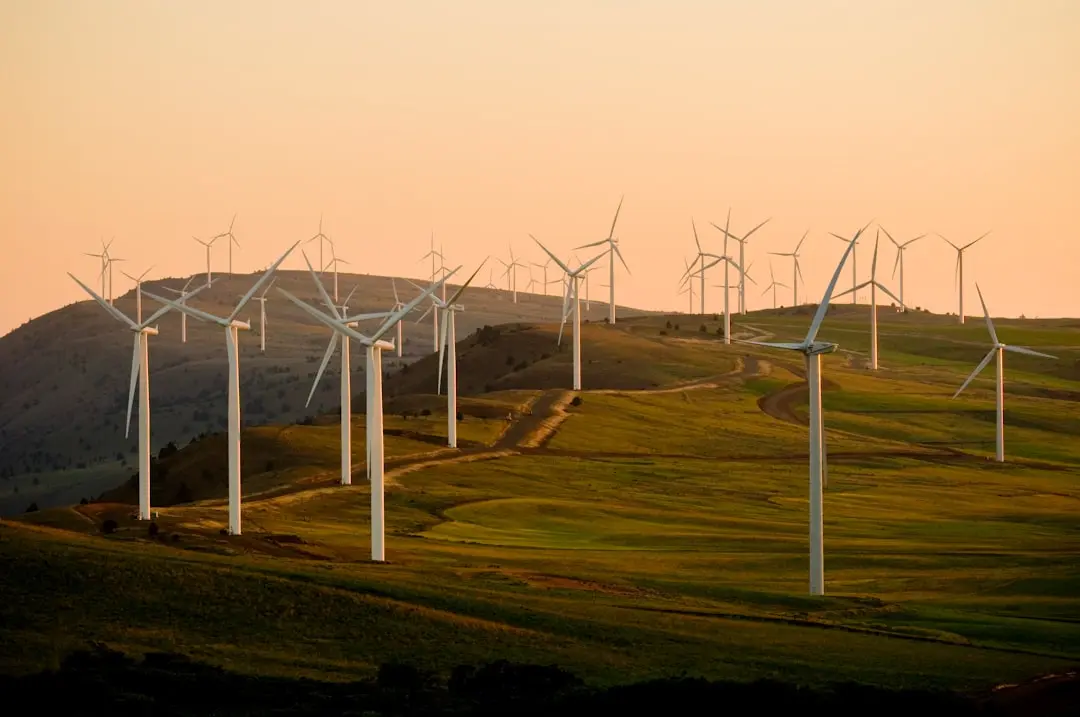
A new UN report warns that soaring renewable energy deployment may not lower emissions. Policies, investment, and grid upgrades must accelerate to cut emissions. The United States, Europe, and Asia need coordinated action by 2030 to meet climate targets. Without deeper decarbonisation, emissions will stay above the 1.5°C threshold.
Breaking news
 Deadly Glacier and Rock Collapse in Nepal Linked to Climate Warming
 US Congress Passes Sweeping Sanctions Against Russia
 Speaker Johnson Ends House Session Early to Halt Impeachment Effort
 The High-Stakes Fight for Senate Majority Control
Global renewable capacity rose 12% in the past year, yet worldwide CO2 emissions increased by 2%. The paradox stems from rapid installation of solar and wind farms that often replace fossil fuels only partially. Demand for electricity continues to climb, offsetting early gains. Without deeper decarbonisation of industry, transport, and heating, the emissions gap persists.
Experts say that integrating variable renewables requires massive upgrades to transmission networks, storage solutions, and market mechanisms. Incentives must shift from subsidies for generation to support for system flexibility, demand response, and carbon pricing that reflects true social costs. Countries that introduced comprehensive carbon pricing saw emissions dip by up to 4% within five years. The International Energy Agency estimates that an additional $1.5 trillion in grid modernization, storage, and sector coupling projects must be mobilised by 2030.
Can Policy Bridge the Gap?
The Ravenswood Generating Station in New York, a coal‑to‑gas transition site, illustrates the challenge. Despite adding 500 megawatts of wind capacity, its overall carbon output fell by just 5% over two years, according to plant data. We cannot afford a false green boom,the UN climate chief warned. Real progress demands systemic overhaul, not token projects.
Policy levers such as mandatory renewable portfolio standards, carbon taxes, and streamlined permitting can accelerate the needed transformation. Those relying solely on tax credits experienced limited impact.
Without decisive action, the world risks locking in higher warming, jeopardizing health, agriculture, and economic stability. Conversely, a well‑coordinated policy push could turn the renewable surge into a genuine emissions decline, aligning with the Paris Agreement goals and delivering sustainable growth.
Frequently Asked Questions
What specific measures can reduce emissions from renewable integration? Implementing grid‑scale storage, demand‑response programs, and flexible market rules can capture excess renewable power and prevent curtailment. Additionally, mandating higher renewable shares in industry and transport sectors forces deeper decarbonisation beyond electricity generation.
How much investment is needed to close the emissions gap?
Can individual countries meet the 1.5°C target with current renewable growth rates? Current renewable growth is insufficient; countries must pair rapid deployment with aggressive efficiency gains, carbon pricing, and phased coal phase‑out.