Are Artificial Interventions the Answer?
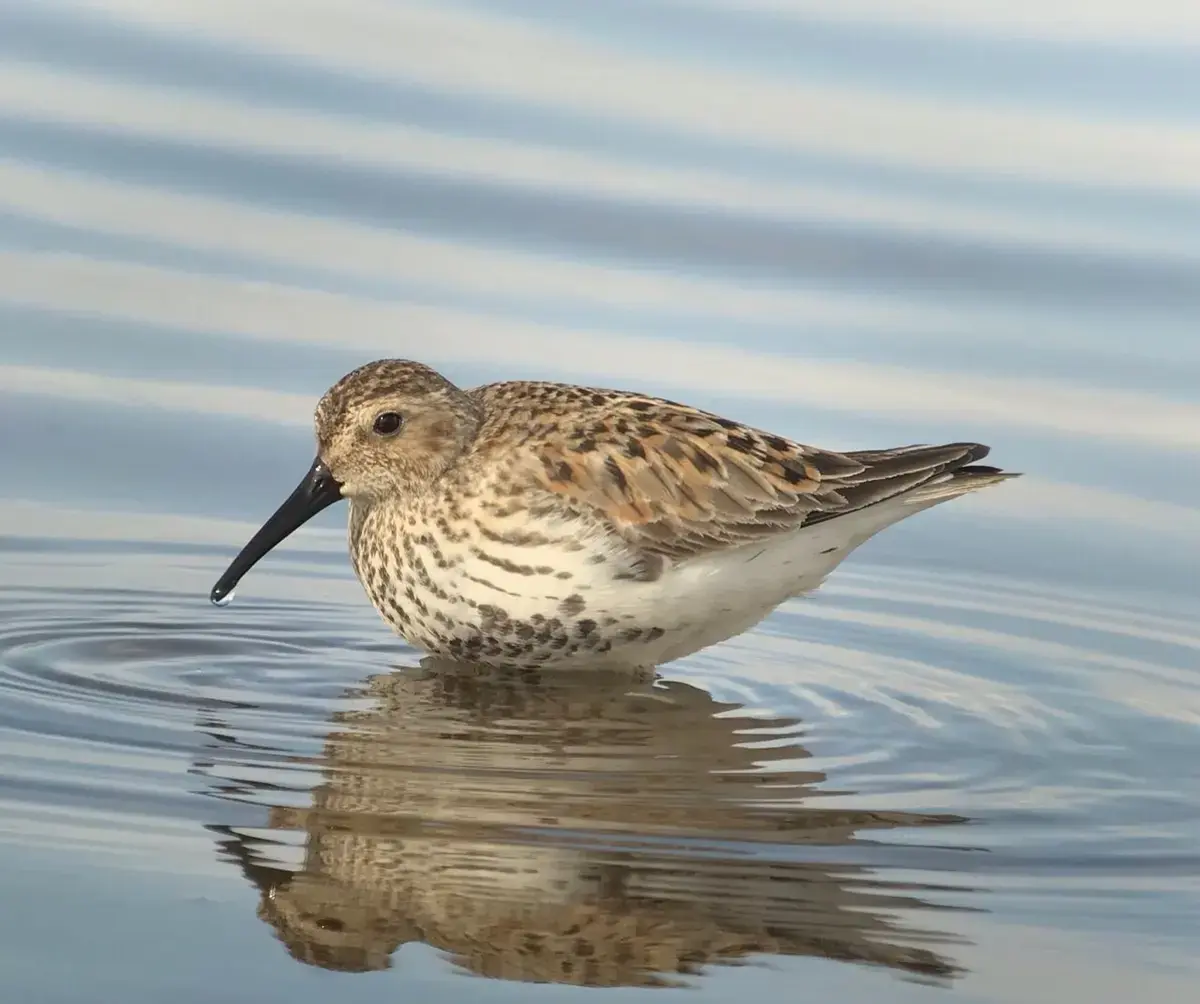
Rising sea levels and more frequent storms are increasingly destroying wader nests along coastlines. These changes, driven by climate change, pose a significant threat to these bird populations, especially during nesting seasons. As global temperatures rise, storm-driven floods are becoming more common, leading to the loss of wader nests in vulnerable coastal areas. These birds rely on specific habitats for nesting, but extreme weather events are washing away their eggs and disrupting breeding cycles.
Breaking news
 Deadly Glacier and Rock Collapse in Nepal Linked to Climate Warming
 US Congress Passes Sweeping Sanctions Against Russia
 Speaker Johnson Ends House Session Early to Halt Impeachment Effort
 The High-Stakes Fight for Senate Majority Control
Recent studies indicate that the frequency of flooding events is escalating, making it difficult for waders to successfully raise their young. Researchers are exploring artificial incubation and the use of dummy eggs as potential solutions. However, experts warn that such measures should only be considered as a last resort.
Can Habitat Preservation Mitigate Flood Risks?
Dr. Emily Hart, a leading ornithologist, states, „While artificial methods can help in dire situations, they cannot replace natural nesting success. We must focus on preserving habitats.”The urgency of the situation is underscored by data showing a decline in wader populations due to habitat loss and climate impacts.
What can be done to protect wader nests from flooding? Conservationists emphasize the importance of restoring coastal habitats and implementing natural barriers. These approaches could help buffer against storm surges and provide safer nesting grounds for birds.
The decline of waders not only affects biodiversity but also disrupts ecological balance. As these birds play a crucial role in their ecosystems, their loss could have far-reaching consequences. Without effective measures, the future of wader populations remains uncertain.
Frequently Asked Questions
What are waders, and why are they important? Waders are shorebirds that typically feed in shallow waters. They are vital for maintaining the health of wetlands and coastal ecosystems.
How do storms affect wader nesting? Storms can wash away nests and eggs, leading to significant declines in hatching success. Increased flooding disrupts their breeding cycles, threatening population stability.