The Hidden Threat of Common Medicines
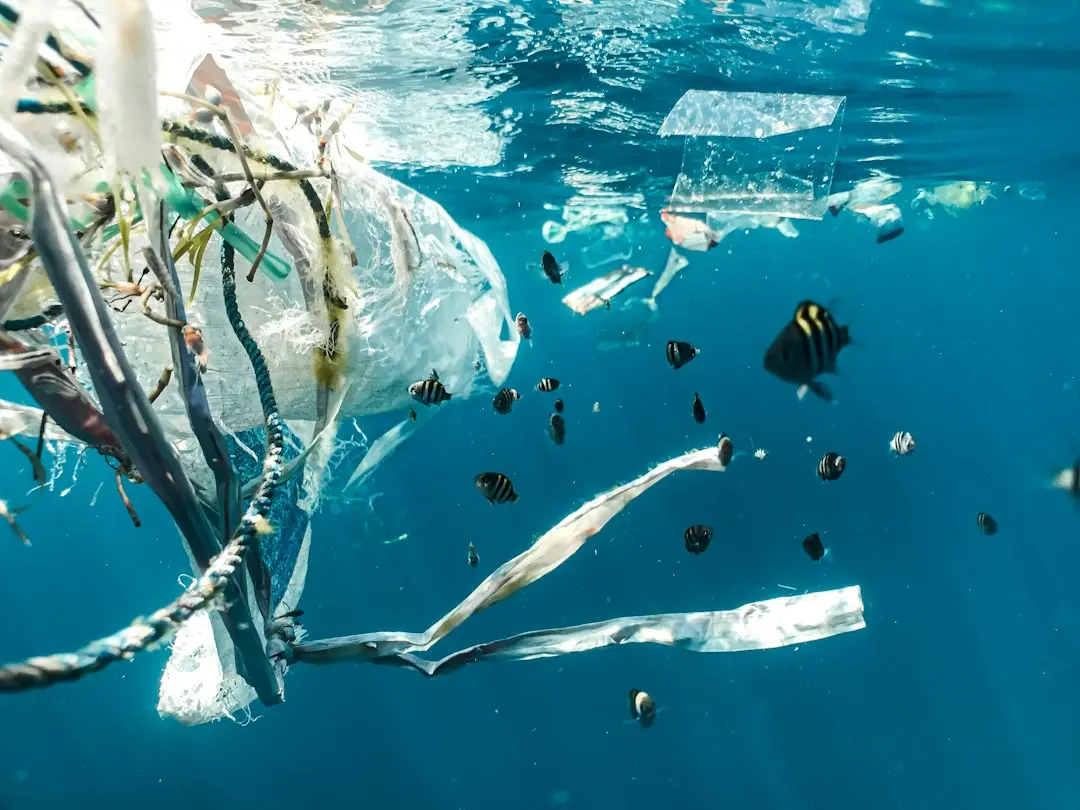
Recent studies reveal that the Baltic Sea is contaminated with common pharmaceuticals like diclofenac and ibuprofen. Researchers across Europe are investigating the sources and potential solutions to this growing environmental issue. The pollution stems from wastewater and agricultural runoff, posing risks to marine life and human health.
Breaking news
 Former German Intelligence Chief Faces Espionage Charges
 American Educator Analyzes French Student Demonstrations
 Massive Protests Erupt Across France Over Educational Funding Shortfalls
 French students and teachers protest inadequate school resources
The detected drugs include pain relievers, antibiotics, and anti-inflammatory medications. These substances enter the sea through untreated sewage and farming practices. Scientists emphasize that many cases could be avoided with better waste management and informed prescribing.
Pharmaceutical pollution in the Baltic Sea involves a range of drugs, including paracetamol, carbamazepine, and diclofenac. These chemicals are not fully removed by standard water treatment processes, allowing them to accumulate in marine ecosystems. Researchers have found that even low concentrations can affect fish and other organisms, leading to behavioral changes and reduced biodiversity.
Can Prescribing Changes Make a Difference?
„Diclofenac levels are particularly concerning because they persist in the environment,”said Dr. Lena Vogt, an environmental chemist. „We need urgent action to address this.”Studies show that pharmaceutical concentrations have increased over the past decade, highlighting the need for stricter regulations.
One promising approach is to reduce pollution at the source by improving how medicines are prescribed. By encouraging doctors to prescribe alternatives that are less harmful or by promoting proper disposal methods, the influx of drugs into waterways could be minimized. Pilot programs in several countries have shown that education campaigns for healthcare providers can lead to significant reductions in pharmaceutical waste.
However, challenges remain, such as ensuring compliance and raising public awareness. Experts suggest that a combination of policy reforms and technological advancements, like advanced filtration systems, will be necessary to effectively combat this issue.
Frequently Asked Questions
The long-term consequences of pharmaceutical pollution include disrupted food chains and potential health risks for humans who consume contaminated seafood. Looking ahead, researchers hope that international cooperation will lead to comprehensive strategies to protect the Baltic Sea. With continued efforts, there is hope for restoring the health of this vital waterway.
What are the most common pharmaceuticals found in the Baltic Sea? The Baltic Sea contains traces of paracetamol, ibuprofen, carbamazepine, and diclofenac. These drugs enter the water through wastewater and runoff, affecting marine life.
How can individuals help reduce pharmaceutical pollution? Individuals can contribute by properly disposing of unused medicines at designated collection points and avoiding flushing them down the drain. Supporting policies that improve water treatment infrastructure also makes a difference.